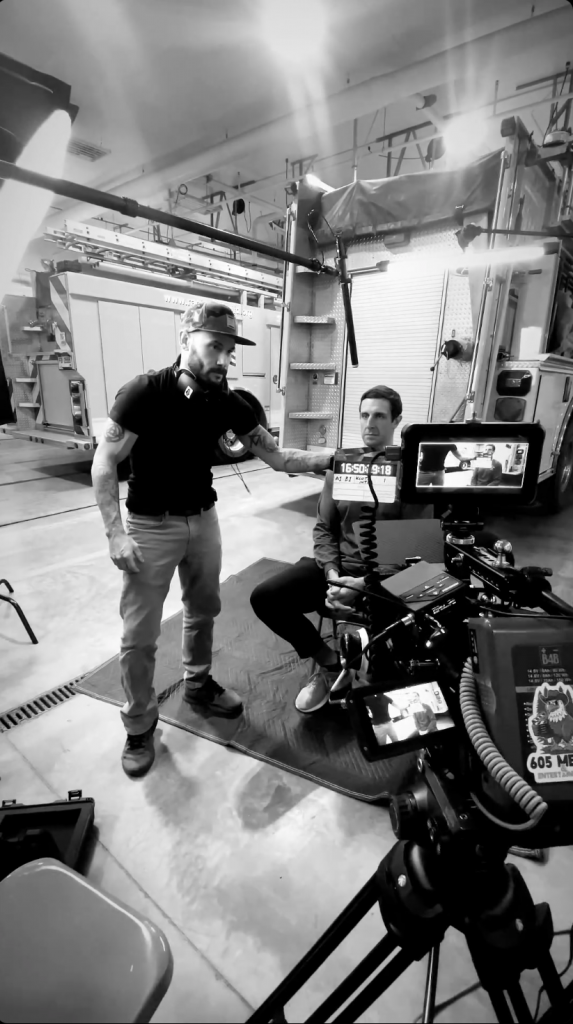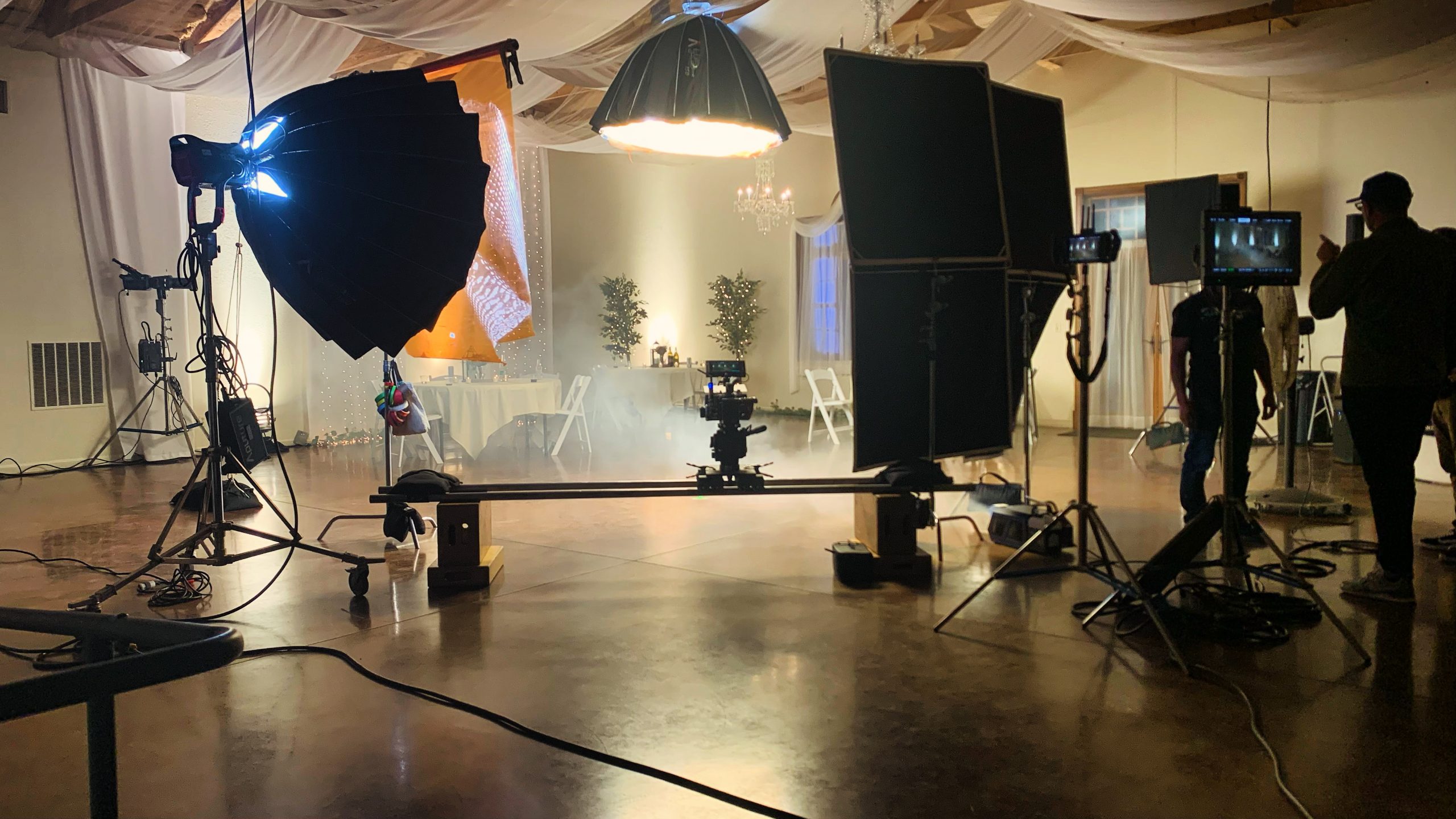
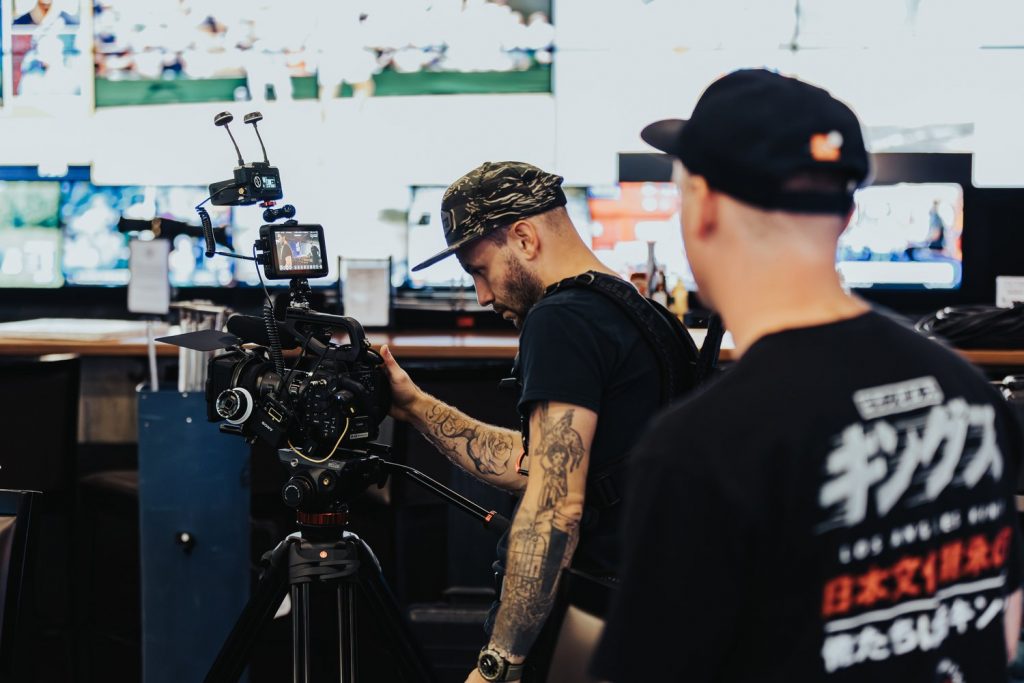
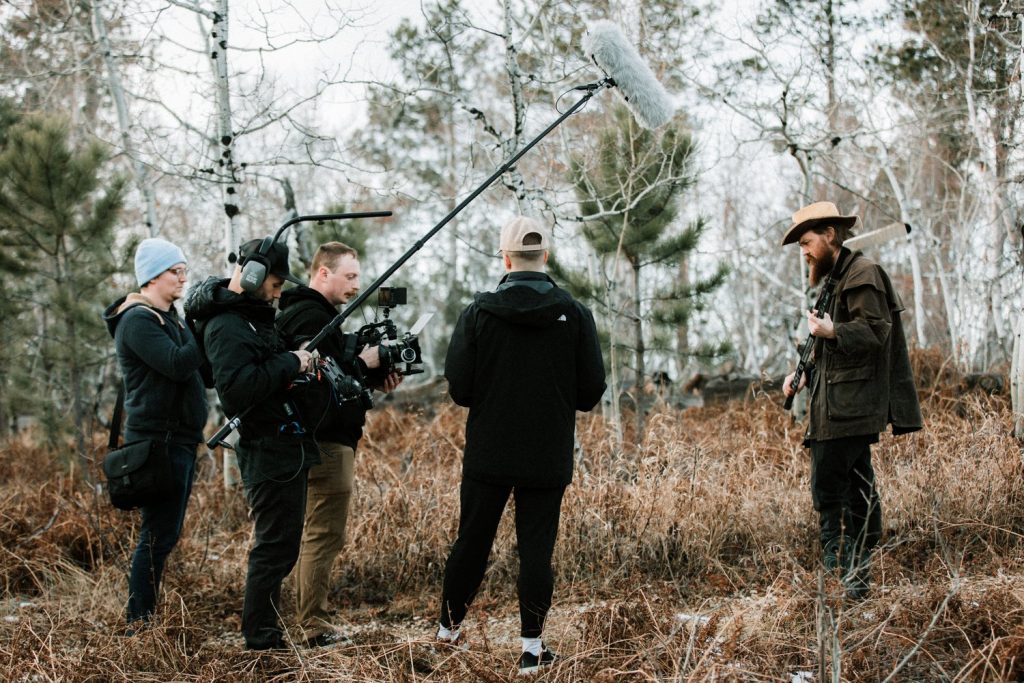
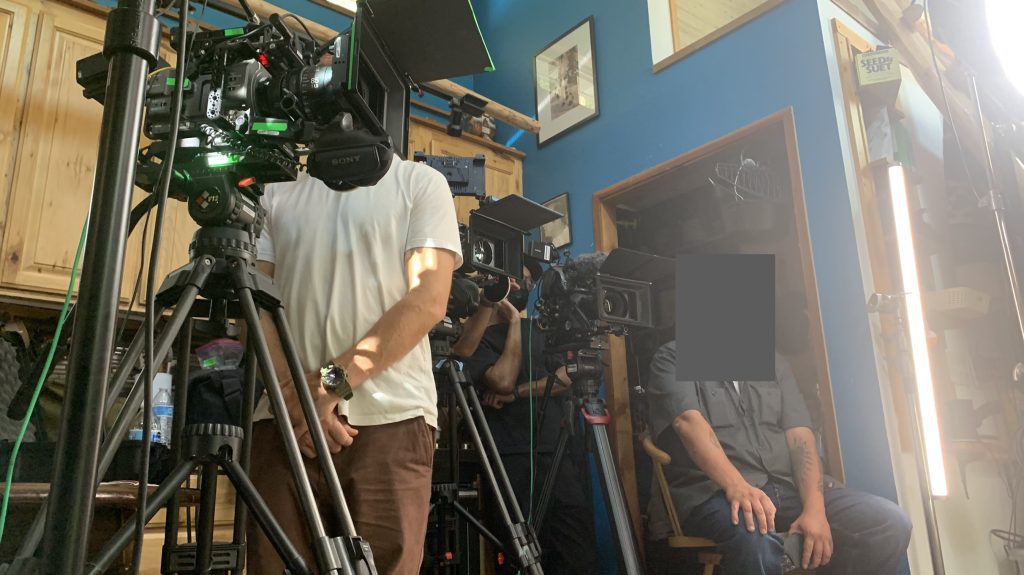
Great footage doesn’t happen by accident. It happens because we planned for it. Before we even load the gear, I work with you to define the vision and map out the technical requirements to bring it to life. From luxury real estate to commercial branding, I focus on aligning every moving part—sound, lighting, and logistics—so we can anticipate challenges and guarantee a smooth day of filming.
Our Production Planning Blueprint
Every great production starts with the right questions, here are the ones that guide our planning process:
What do we need to know before production begins?
Before we roll camera, I like to get the full picture. I need to know the ‘who, what, and where’—who’s on screen, what story we’re telling, and where the final video is going to live. Getting these details early helps me dial in the schedule and the approach so every shot supports your vision.
How do we determine the right equipment?
No two shoots are the same, so I don’t use a cookie-cutter kit. A cinematic property tour might need a gimbal and wireless audio, while a sit-down interview calls for controlled lighting and a boom overhead. I hand-pick the right tools for the specific job to get the highest quality image and sound without overcomplicating the workflow.
How do we capture clear and consistent audio?
Great audio is about strategy, not just plugging in a mic. I look at the environment and the number of speakers to figure out the best approach, whether that’s hiding lavs under clothing, booming from overhead, or planting hidden mics in the set. I plan the signal flow carefully so every word lands clearly and feels natural.
What about cameras and synchronization?
On multi-camera shoots, sync is king. I make sure every camera is jammed with timecode and the settings are matched perfectly before we start. This kind of coordination keeps the visuals and audio locked tight from start to finish and saves a massive headache in the editing room.
How do we manage movement and logistics?
I assess every location with ‘flow’ in mind. Whether we’re navigating a tight indoor space or a large outdoor lot, I map out exactly how the gear, crew, and talent will move. Good logistics mean we aren’t tripping over cables or waiting on setups.
How do we prepare for unexpected challenges?
I always have a Plan B. Production in the Midwest can be unpredictable. Weather turns, schedules shift etc. so I pack backup gear and build buffers into the timeline. This preparation lets us pivot instantly if things change, keeping the production on track and the quality high.